social
Top 10 youngest countries in the world (2025 Update)

At a time when the world map appears largely fixed, it’s striking that dozens of new countries have emerged in just the past three decades. Since the 1990s, more than thirty states have reshaped global politics — some born from peaceful negotiations, others forged in war and bloodshed.
These youngest nations in the world highlight the continuing evolution of sovereignty and remind us that national borders are not as permanent as they seem.
1. South Sudan – July 9, 2011

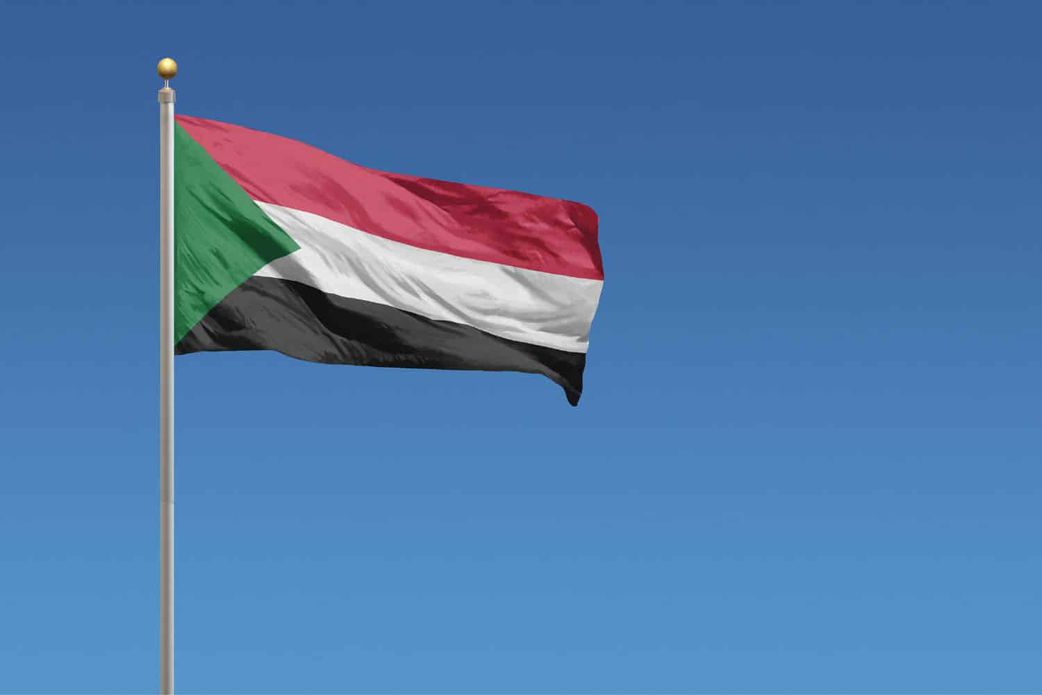
South Sudan is the youngest country in the world, gaining independence from Sudan on July 9, 2011. After decades of brutal civil wars, 98% of voters chose separation in a referendum.
Despite rich oil reserves, the nation faces ethnic conflict, poverty, and political instability. Yet its youthful population and resources hold promise for future growth.
🔗 Related: Top 10 African Countries with the Best Government: 2025 Rankings
2. Kosovo – February 17, 2008
Kosovo declared independence from Serbia in 2008 after years of conflict. While recognised by over 100 UN member states, its sovereignty remains disputed.
With 1.8 million people, a young population, and a growing tourism sector, Kosovo continues to battle unemployment and international uncertainty.
3. Montenegro – June 3, 2006
Montenegro peacefully split from Serbia in 2006 through a referendum.
Its Adriatic coastline makes tourism the backbone of its economy, though reliance on visitors leaves it vulnerable to global shocks.
4. Serbia – June 5, 2006
Serbia became fully independent in 2006 after the dissolution of its union with Montenegro.
Belgrade remains its cultural hub, while energy and mining exports drive its economy. Serbia continues to push for EU membership while navigating tensions with Kosovo.
5. Timor-Leste (East Timor) – May 20, 2002
Asia’s youngest nation, Timor-Leste, gained independence from Indonesia in 2002 after centuries of colonisation and conflict. With 1.3 million people, the country relies heavily on offshore oil but is diversifying into tourism and international cooperation.
6. Eritrea – May 24, 1993
Eritrea declared independence from Ethiopia in 1993 after a 30-year war. While strategically located on the Red Sea, the country remains isolated under authoritarian rule, with high emigration and economic challenges.
7. Czech Republic – January 1, 1993
Born from the peaceful “Velvet Divorce” of Czechoslovakia, the Czech Republic quickly integrated into Western alliances, joining NATO in 1999 and the EU in 2004.
Today, it has one of the strongest economies among young states, fuelled by industry, tourism, and skilled labour.
8. Slovakia – January 1, 1993
Slovakia also emerged from the Velvet Divorce in 1993. Its economy thrives on foreign investment, particularly in the automotive sector, and EU/NATO membership has ensured its stability.
9. Palau – October 1, 1994
Palau gained independence from US administration in 1994. With just 18,000 people, it is one of the smallest countries in the world.
The island nation depends on eco-tourism and faces climate change risks but is globally admired for its conservation efforts.
10. Croatia – June 25, 1991
Croatia declared independence from Yugoslavia in 1991, sparking a bloody war. Today, it is a stable democracy, EU member, and thriving tourist destination along the Adriatic coast.
Why These Nations Matter
From South Sudan’s struggles to Croatia’s successful integration into Europe, the stories of these new countries prove that sovereignty remains a dynamic and evolving process.
They remind us that geopolitics, self-determination, and identity are still reshaping the world map — even in the 21st century.